Backflow Testing and Prevention in North Highlands, CA
A backflow device keeps used or contaminated water from flowing backward into the drinking supply.
- Line answered 24/7
- Nights, weekends, holidays
- Call only, no forms
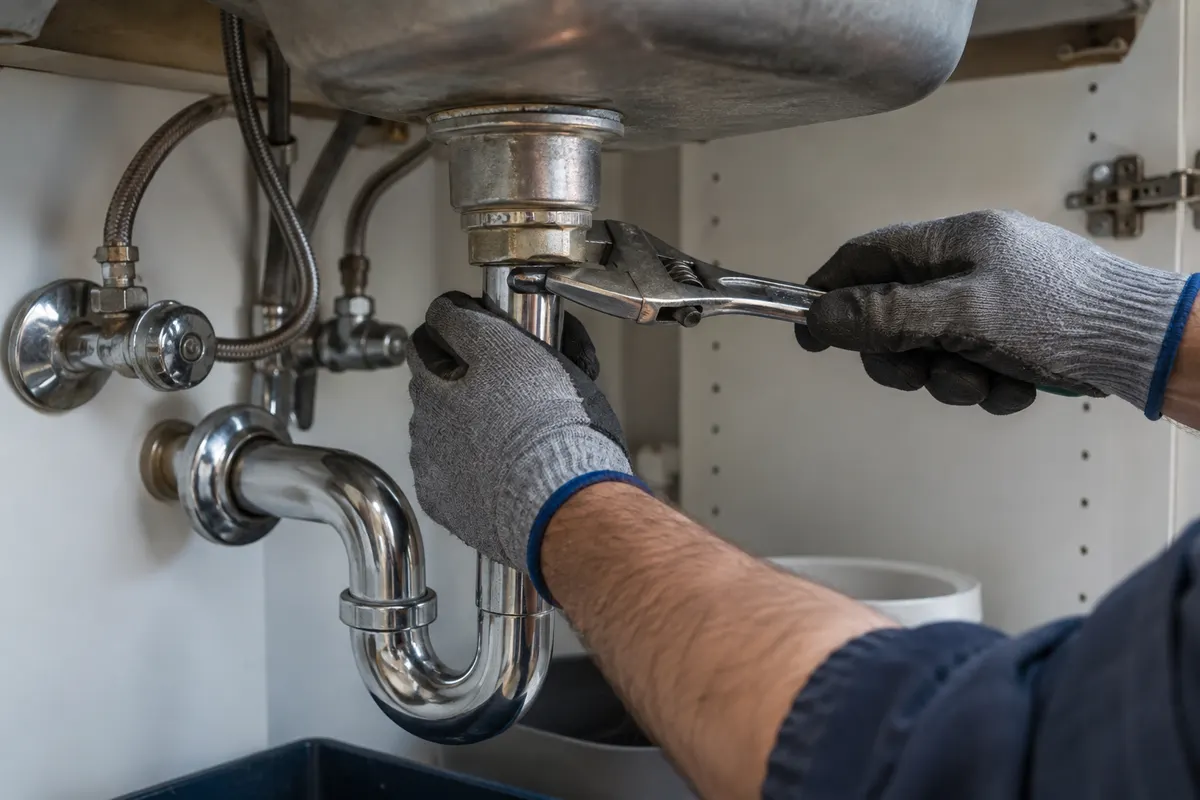
What backflow is
Water normally flows one way, from the utility main to your taps. A drop in pressure in the main or a rise in pressure on your side can push it the other way. That reverse flow is called backflow, and it can pull water from a connected source, such as a sprinkler system, a boiler or a chemical tank, into the drinking supply.
A backflow prevention assembly is a valve arrangement that blocks the reverse path. It has to be tested to prove it still works, since the valves inside can wear or foul.
Where backflow devices are common
The device needed depends on the hazard, and your water supplier makes the final call.
| Where | Why it needs protection | Typical device |
|---|---|---|
| Lawn irrigation system | Sprinkler heads sit at ground level and can draw in soil and fertilizer | Pressure vacuum breaker or a reduced pressure assembly |
| Commercial building or restaurant | Connections to boilers, dishwashers and other equipment | Reduced pressure or double check assembly at the service |
| Fire sprinkler line | Stagnant water in a fire system | Double check detector assembly |
| Hose bib | A hose left in a bucket or a pool can siphon | Hose bib vacuum breaker |
| Boiler or heating loop | Treated water in the loop | Backflow preventer on the fill line |
Testing is required by your water supplier
California's cross-connection control rules, in Title 17 of the California Code of Regulations, place responsibility on water suppliers to protect the public water system, and many suppliers require an annual test on certain assemblies by a certified backflow tester. Your water provider tells you which assemblies at your address need testing and how to submit the report. Ask them before you schedule.
What a backflow test involves
- The tester shuts off the water to the device and attaches a test kit
- Each check valve and relief valve is measured for leakage and opening pressure
- A device that passes gets a report to submit to the water provider
- A device that fails is repaired or rebuilt, then retested
- Worn rubber parts and springs are replaced as needed
- The device should be tested when installed and again on the schedule your provider sets
What affects the price
A routine test is a short visit. Repairs and installations add parts and labor.
- The number of assemblies to test and how easy they are to reach
- The size and type of the device
- Repair parts if the test shows a failure
- Installation of a new device or moving an old one
- Filing fees or paperwork required by your water provider
Irrigation systems and homes
Many homes have a sprinkler system with a backflow device near the valve box. It is easy to forget until a letter arrives or a device leaks. Freezing temperatures are uncommon here, but a device can still crack or leak over time.
If the sprinkler line is being extended or moved, the device may need to be relocated. Ask before the change, since it may affect the height and position rules.
Commercial and multi-unit buildings
Restaurants, salons, car washes and other businesses often have equipment that is connected to the water supply. Owners should ask the supplier what is required and keep test records on hand. See commercial plumbing for the broader picture of small-business plumbing.
Questions about backflow testing
Often yes. Many water suppliers require yearly testing of irrigation devices. Check with your water provider for the rule at your address.
A certified backflow tester. Ask to see the certification, and confirm the report is accepted by your water provider.
It is repaired or replaced and tested again, and then the passing report is filed with the provider.
A single device is usually a short visit. Several devices, or a hard-to-reach one, takes longer.
Yes. A device that is spraying or running constantly can be isolated at the shutoff ahead of it, and then a call at any hour gets a plumber lined up.
Yes, but the new location has to meet height and clearance rules, and the water provider may need to approve it.
Backflow test due or a device leaking?
Call with the device type and the notice from your water provider, and we will schedule the test.
(916) 555-0100