Hydro Jetting in North Highlands, CA
When snaking only buys you a few weeks, a high-pressure water jet cleans the pipe wall instead of poking a hole through the clog.
- Line answered 24/7
- Nights, weekends, holidays
- Call only, no forms
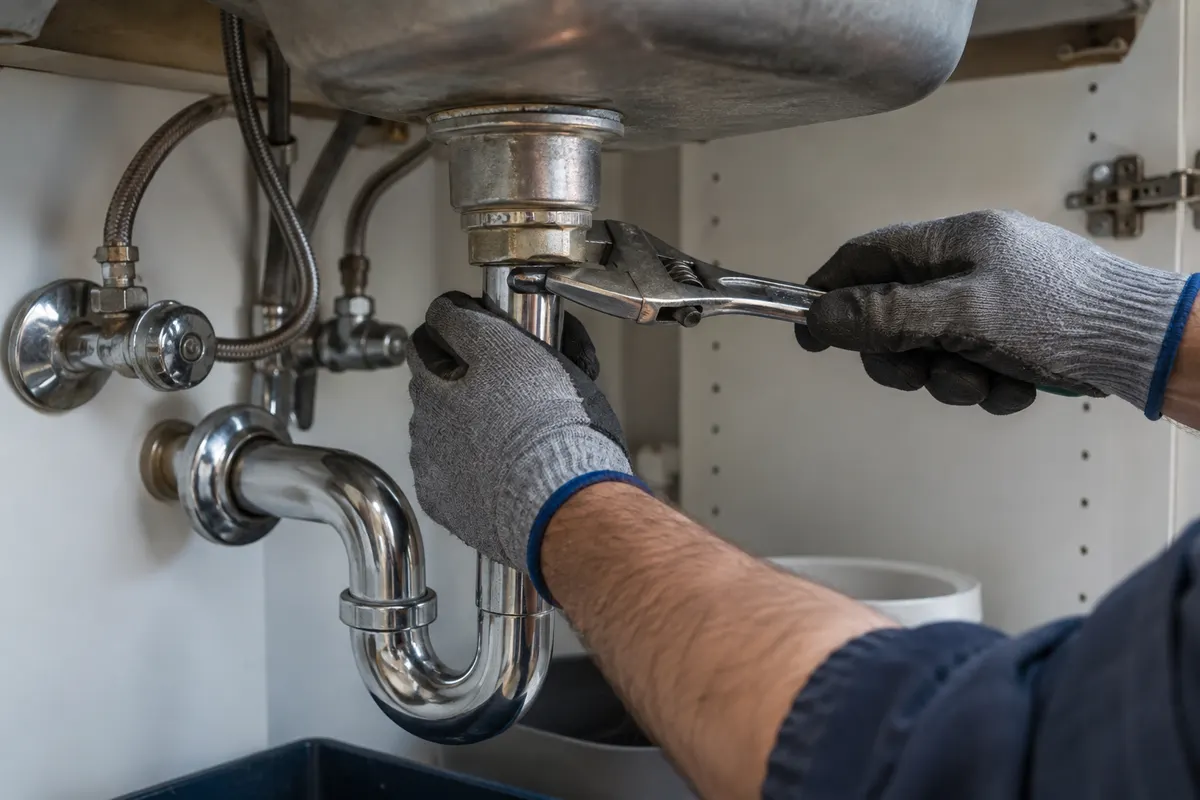
Drain keeps clogging a few weeks after it was cleared?
A drain that clears and then backs up again a few weeks later usually has a buildup problem, not a one-time blockage. A snake pokes a hole through the middle of the clog and leaves grease and scale stuck to the pipe wall, so the opening closes again as new waste collects on what remains.
That is the situation hydro jetting is built for. It does not just open the line, it scours the walls of the pipe so the full diameter is available again.
What hydro jetting is
Hydro jetting is a drain cleaning method that sends pressurized water through a flexible hose and a specialized nozzle. Residential machines commonly run in the range of 3,000 to 4,000 psi, and the nozzle fires jets both forward and backward so it clears a path and pulls itself up the line.
The water shears off grease, soap scale and sludge, and it can cut small roots that have worked into pipe joints. The debris is flushed downstream and out through the building sewer instead of being left behind. For a stubborn kitchen line or a main that keeps slowing down, this is a different level of cleaning than standard drain cleaning with a cable.
Hydro jetting compared with snaking and chemical openers
The three methods solve different problems, and the cheapest one is not always the one that lasts.
| Method | What it clears | What it leaves behind | Best for |
|---|---|---|---|
| Cable or snake | A soft clog in a single fixture line | Grease and scale on the pipe wall | A first-time clog in a sink, tub or toilet |
| Hydro jetting | Grease, scale, sludge and small roots along the whole run | Very little on sound pipe | Recurring backups and slow main lines |
| Chemical drain openers | Some organic buildup near the fixture | Residue that can harm older pipe and irritate skin | Rarely a good choice, and unsafe if a plumber has to work the line next |
What affects the price of a jetting job
Jetting is priced by the situation. A short kitchen line with a grease buildup is a smaller job than a long main with root growth and no cleanout.
- The length and diameter of the line being cleaned
- Whether a cleanout exists or the plumber has to create access
- How severe the buildup or root growth is
- Whether a before and after camera inspection is included
- Residential line or a commercial line with a grease trap
When jetting is the wrong call
Jetting cleans a pipe that is structurally sound. It is not the answer for a collapsed line, a badly offset joint or a pipe with heavy corrosion, because pressure can worsen weak spots. That is why the line is checked first, and why a bad camera result may lead to sewer line repair instead of a jet.
Camera first, jet second
A responsible jetting job starts by looking inside the line. A camera shows the material, the condition and the location of the blockage, and it decides whether jetting is safe. The plumber then chooses a nozzle for the job, since a rotating cutting nozzle handles roots while a flushing nozzle handles grease.
After the pass, a second camera run confirms that the pipe wall is clean and shows any damage the buildup was hiding. Ask for that second look. It is the difference between a line that was cleaned and a line that was only flushed.
Sewer lines in an older part of Sacramento County
North Highlands first appears in the 1960 census, and its housing has grown in stages since then. The age of the sewer line under your yard depends on your street and your lot, so the material may be clay, cast iron, plastic or something else.
That matters because older clay and cast iron lines collect roots and scale more readily than modern plastic pipe. If your home dates to the earlier decades of the community, ask for a camera inspection before jetting, and check the year built in county records to know what the camera should expect to find.
Questions about hydro jetting
On sound pipe it is safe when the pressure and nozzle are matched to the line. A camera check first is what makes it safe, because it shows whether the pipe can take the pressure.
A line that was jetted clean should stay clear for a long time. Kitchen lines with heavy grease loads and lines with active root growth may need a repeat visit sooner, and the second camera pass tells you what to expect.
It cuts and flushes small roots that are inside the pipe. It does not stop roots from returning if the pipe has cracks or open joints, which is why a damaged line needs repair as well as cleaning.
Yes, jetting is common for commercial kitchen lines and grease-heavy drains. Commercial jobs are scoped around the trap, the line length and the hours the business can accept downtime, so call with the details.
Yes. Jetting is often scheduled, but a backup is an emergency at any hour and the phone is staffed overnight and on holidays. Stop using water, call, and ask what to expect on arrival.
A snake is fine for a first clog. If the same drain needs snaking again and again, the buildup on the pipe wall is the real problem, and only cleaning the wall solves it.
Tired of the same clog every few weeks?
Call and tell us which drain keeps backing up. We will explain whether jetting is the right fix.
(916) 555-0100