Emergency Sewer Line Repair in North Highlands, CA
When a camera shows a broken, offset or root-packed section, the fix is often one repair, not a whole new line.
- Line answered 24/7
- Nights, weekends, holidays
- Call only, no forms
What to do when the sewer line backs up
- Stop using water, including toilets, showers, the washer and the dishwasher
- Keep children and pets away from any sewage that has reached the floor
- Open the cleanout cap outside if you can find it, and only if it is safe, to see whether the line is full
- Do not pour chemical drain cleaner into a main line, since a plumber may have to work in it next
- Photograph the damage before cleanup for your landlord or insurer
- Call, and say which fixtures backed up first, since that points to where the blockage sits
Repair is a targeted fix
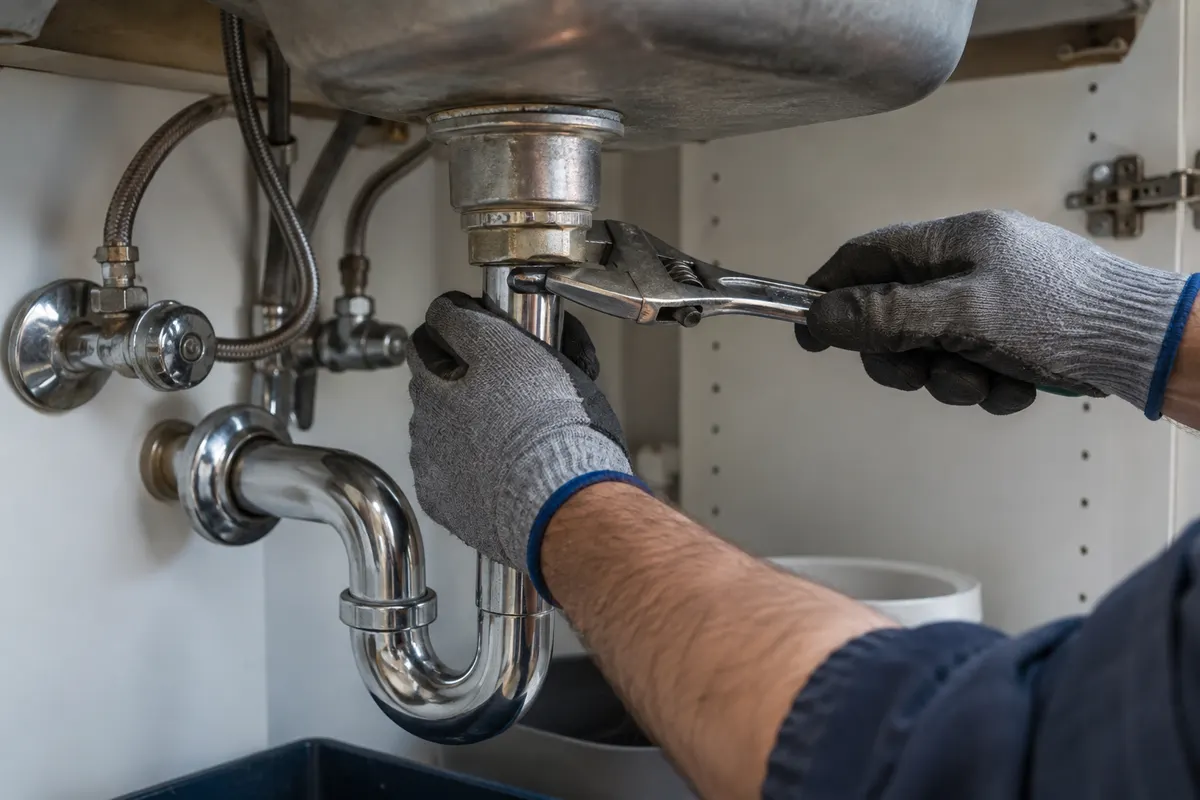
A sewer line repair fixes a defined problem in a line that is otherwise sound. That might be a cracked section, a joint that has come apart, a spot where roots have pushed in or a low spot that holds water. The plumber locates the defect with a camera, marks it from above ground and opens only that part of the line.
If the camera shows damage all along the pipe, repair is the wrong answer and sewer line replacement is the honest one. A good plumber will tell you which you are looking at, using the recording as the evidence.
Ways a damaged section can be repaired
The method depends on depth, location and what the camera shows.
| Method | How it works | Suits | Limits |
|---|---|---|---|
| Open dig spot repair | Dig to the defect, cut out the bad section and join new pipe | A single break at a reachable depth | Yard or hardscape restoration afterward |
| Point repair liner | A resin-coated sleeve is pulled in and cured against the pipe wall | A crack or small separation in a round, sound pipe | Not for badly offset or collapsed sections |
| Cleanout installation | Add an access point to the line | Lines with no cleanout, so future service is easier | Does not fix a defect by itself |
| Root removal plus repair | Cut the roots out, then seal or replace the entry point | Roots entering at a joint | Roots regrow if the opening stays |
How the problem is found
The plumbing code sets minimum slope and material rules for building sewers, so a repair has to meet them, not just stop the leak. Repair starts with a camera. It shows the material, the location of the fault and what caused the backup. A locator on the camera head then lets the plumber mark the exact spot on the surface and measure its depth, which decides whether the fix is a small hole in the lawn or a deeper excavation.
If the video shows clay, cast iron or a tar-based fiber pipe, the plumber can tell you how that material tends to fail. Our page on sewer camera inspection explains what the footage shows and how to read it.
Who owns which part of the line
In most places the homeowner is responsible for the lateral line from the house to the connection at the public sewer main, and the sewer district maintains the main itself. Where the boundary sits varies by address, so ask the local sewer provider before you assume. If your backup is caused by a problem in the main, the district is the one to call.
What affects the price of a sewer repair
A shallow break in a lawn is a smaller job than a deep one under a driveway. These details set the price.
- How deep the damaged section is and how much digging it takes
- Whether the repair is a liner, a dig or a combination
- What sits above the line, such as a driveway, patio, tree or fence
- The pipe material and diameter
- Permit and inspection requirements for work in the lateral
Tree roots and older yards
Roots are drawn to the moisture in a sewer line and enter through joints and cracks. Mature trees on older lots are a common cause of repeat backups. Cutting roots clears the line for a while, but the root will return unless the opening is repaired.
If you have a tree near the line, ask the plumber whether the root entry is a single point or a pattern. One entry can be repaired, while roots along the whole run point toward replacement.
Questions about sewer line repair
If several fixtures back up together, or a toilet gurgles when the washer drains, the main line is usually involved. A single slow sink is more often a local clog.
Sometimes. A liner can seal a crack from the inside, and a small access pit can serve a spot repair. A badly offset or collapsed section usually needs excavation.
A liner or a shallow spot repair can be done in a day. A deep or long excavation takes longer, and the plumber should give you an idea after the camera pass.
Yes. Sewage in the house is an emergency at 3 a.m. as much as at noon. The first goal is to get the line flowing, and the repair may follow in daylight.
Policies vary. Many pay for damage a backup caused but not for the line itself. Ask your insurer what is covered and keep the video and any photos.
One defect in an otherwise sound pipe points to a repair. Damage along much of the run, repeated failures or a pipe material known to fail points to replacement.
Sewage backing up into the house?
Stop using water and call any hour. Tell us which fixtures backed up first and we will get a plumber moving.
(916) 555-0100