Leak Detection in North Highlands, CA
Find the source first. Then open only the wall, floor or yard that the leak is actually under.
- Line answered 24/7
- Nights, weekends, holidays
- Call only, no forms
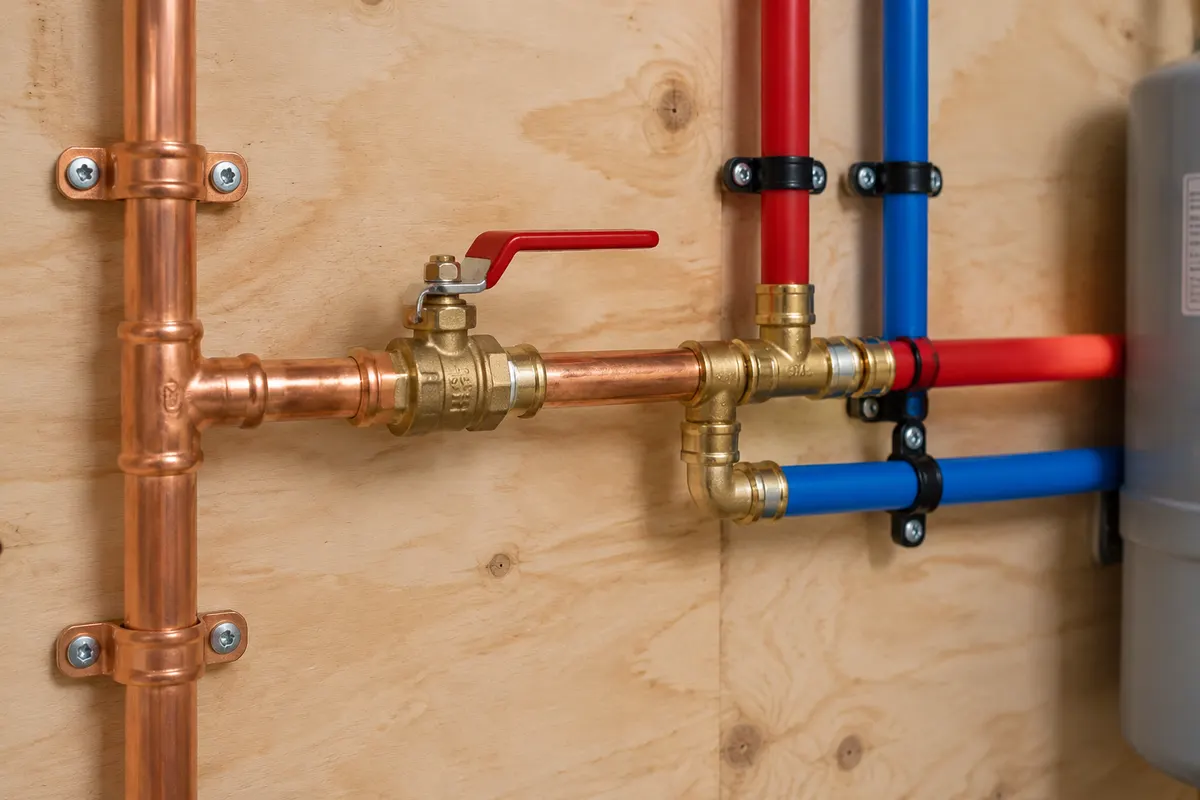
Leaks you cannot see still cost money
A hidden leak is a leak in a place you cannot see. It might be in a wall, above a ceiling, in a crawlspace or under the yard. Leak detection is the work of finding the source without demolition, using instruments that pick up sound, heat, moisture or pressure loss.
The signs are usually indirect. A water bill that keeps climbing, a stain that spreads on a ceiling, or a musty smell in a closet are all reasons to check. The earlier a leak is found, the less water it moves and the smaller the repair. The EPA's WaterSense program says that fixing leaks that are easy to correct can save households about 10 percent on their water bills.
Try these checks before you call
- Turn off all water use and read the meter, then wait 15 minutes and read it again
- Add a few drops of food coloring to each toilet tank and wait to see if it reaches the bowl
- Look under sinks and around the water heater for damp cabinets or rust
- Check outdoor hose bibs and irrigation for drips and wet ground
- Inspect ceilings below bathrooms and the base of walls for stains or bubbling paint
- Compare the last few water bills to look for a step up in use
How different leaks are located
No single tool finds every leak. The plumber picks the method that fits where the leak probably is.
| Method | Best for | How it works |
|---|---|---|
| Meter and pressure test | Finding out whether a leak exists and which line | Shut off sections of plumbing and watch the meter or gauge |
| Acoustic listening | Pressurized supply lines in walls, slabs and yards | Sensitive microphones pick up the sound of escaping water |
| Thermal imaging | Hot lines and moisture behind surfaces | A camera shows heat or temperature differences |
| Moisture meter | Confirming damp drywall, subfloor or framing | A probe reads moisture in materials |
| Sewer or drain camera | Suspected drain leaks | A camera and a water test show cracks or joints, see sewer camera inspection |
The difference between finding and fixing
Detection tells you where the leak is and what kind it is. A separate decision then decides how to fix it. A pinhole in a copper line behind a wall can be repaired through a small opening. A leak under the slab may call for a reroute, which is covered on the slab leak repair page.
A good detection visit ends with a marked location, a short written explanation, and a repair option or two. If a plumber cannot say where the leak is, that is a reason to ask for a second look before anyone cuts a hole.
A leak can hide in a rental
North Highlands has a high share of renter-occupied homes, about 52 percent of occupied housing in the 2020 census. If you rent, a hidden leak is normally the landlord's to fix. Send the landlord a dated message with the meter photos and bill history, and let them decide on repairs. We can give you a plain-language summary to pass along.
What affects the cost of leak detection
Detection is priced by how hard the leak is to find, not by how big it is.
- How many separate tests are needed to narrow the search
- Whether the leak is inside the house, in the slab or in a yard line
- The equipment needed, such as listening gear, thermal camera or a drain camera
- Access to the meter, shutoffs and the areas being tested
- Whether a written report is needed for an insurer or landlord
When a leak is an emergency
Water coming through a ceiling, a wall that is wet to the touch or a floor that is standing in water is an emergency. Close the main shutoff at the house, switch off electricity in the wet area if it is safe to reach the panel, and call.
A slow leak behind a wall is not urgent in the same way, but it should not sit for weeks. Mold can grow on wet drywall within a few days, and the sooner a leak is found, the smaller the repair tends to be.
Questions about leak detection
A rising water bill with no change in habits, a meter that moves when everything is off and unexplained damp spots are the main signs. A meter check is the easiest first test.
Not to find it. Detection uses sound, heat and pressure to locate the leak first. A small opening is then made at the exact spot for the repair.
It depends on the policy. Some pay for finding the leak after a covered loss, and others do not. Ask your insurer before the visit.
Yard leaks are usually on the service line between the meter and the house, and can be located with a meter test and listening equipment before any digging.
Call any time. If water is actively flooding, close the main valve first. A slow, hidden leak can usually be scheduled for daytime, and the dispatcher will tell you which it is.
Many visits take an hour or two, and a hard-to-find leak takes longer. The plumber should tell you what has been ruled out as they go.
Water bill climbing and no wet spot to show for it?
Call and tell us what the meter and the bills show. We will decide which test to run first.
(916) 555-0100